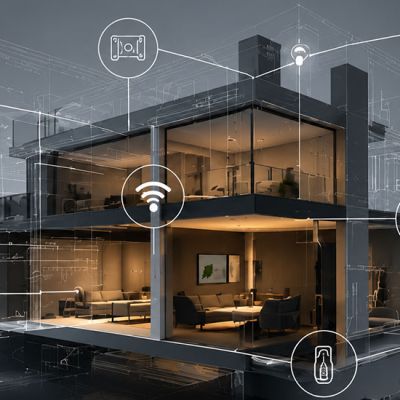

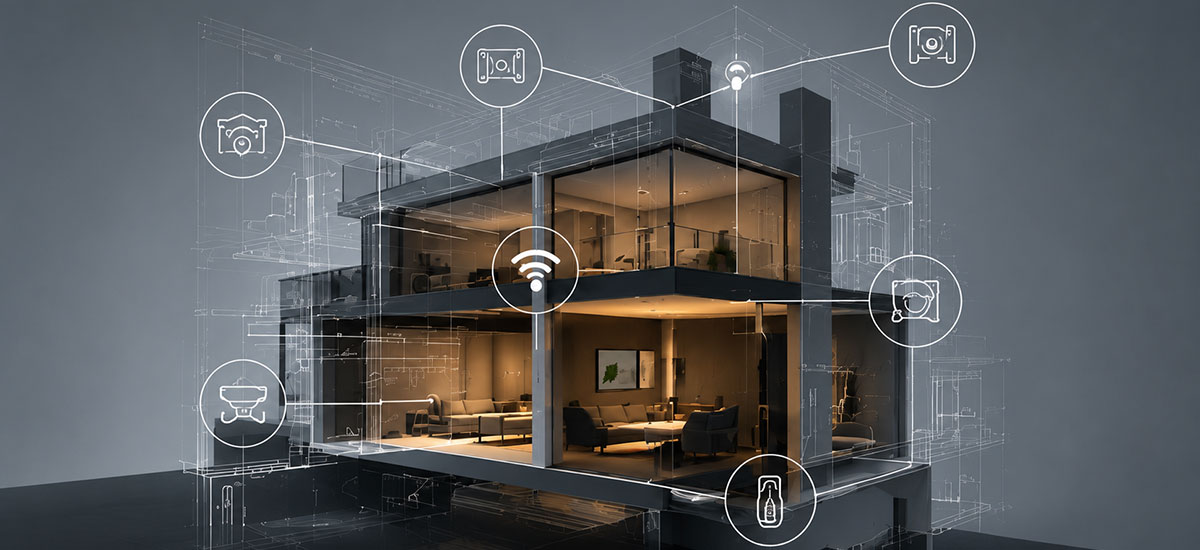
Technology is no longer an optional extra in luxury residential design – it has become an integral part of how modern homes function. Just as plumbing, electrical systems and heating are designed into a property from the outset, home technology should be considered as part of the building’s fabric rather than something added at the end of a project.
This shift has been driven by the way we now live. Homes are no longer just places to relax in the evenings; they are also offices, entertainment spaces, gyms and social hubs. With more people working from home, a strong and reliable network is essential. Video calls, cloud-based systems and remote working all depend on stable connectivity throughout the property, not just in one room.
At the same time, expectations around entertainment and convenience have increased significantly. Streaming services, multi-room audio, smart lighting, security systems and climate control are now part of everyday living. Homeowners expect these systems to work seamlessly, instantly and without interruption. None of this is possible without a properly designed technological infrastructure.
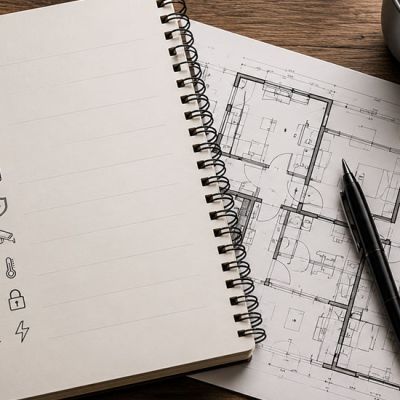
When technology is introduced early in the design process, it can be seamlessly integrated into the architecture and interior design. Cabling can be routed efficiently, equipment can be discreetly housed, and speakers, lighting controls and televisions can be carefully planned to complement the space rather than compromise it.
Leaving these decisions until construction is well underway often results in unnecessary compromises. Joinery may need redesigning, ceilings may require alterations, and carefully considered interiors can end up accommodating visible technology that could have been hidden with better planning.
At Cerebrum Systems, we work alongside architects, interior designers and developers from the earliest stages of a project to ensure technology enhances the home without dominating it. By collaborating from concept through to completion, we help create homes where technology is intuitive, reliable and, where possible, invisible.
As expectations of luxury living continue to evolve, technology is becoming just as fundamental as lighting, heating or ventilation. It should be considered an essential element of the design process, not an afterthought.
When technology is treated as part of the building’s fabric, homeowners benefit from spaces that are not only beautifully designed, but also future-ready, effortless to live in and built to support the way they want to live for years to come.