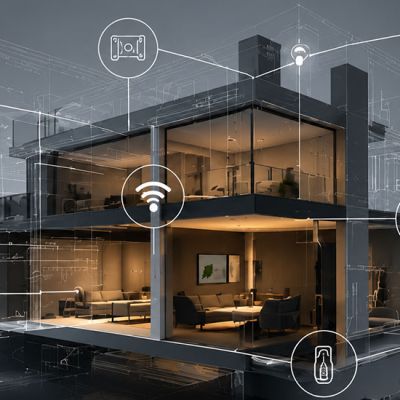

The best smart homes are designed long before the first cable is installed.
One of the biggest misconceptions about home technology is that it can simply be added towards the end of a build.
Technically, it can. But that’s rarely when the best results happen.
Technology affects more than people realise, it influences lighting layouts and affects joinery.
It impacts ceiling details, furniture placement, power locations, ventilation, networking and equipment spaces.
When these conversations happen early, every discipline can work together to achieve the best possible outcome.
When they happen late, compromises become inevitable.
Collaboration creates better homes
At Cerebrum Systems, we work closely with architects, interior designers, developers and contractors throughout every stage of a project.
Rather than arriving once construction is underway, we’re involved from the design phase.
This allows us to advise on infrastructure, equipment locations and technology integration while the home is still taking shape.
The result is a home where technology feels intentional rather than added afterwards.
Saving money by planning ahead
Many people assume involving specialists earlier increases costs. In reality, it often reduces them.
Late design changes can require ceilings to be reopened, walls altered or bespoke joinery redesigned.
Planning correctly from the beginning avoids unnecessary rework and keeps projects moving smoothly.
Protecting the design vision
Perhaps most importantly, early collaboration protects the original design.
Interior designers shouldn’t have to redesign cabinetry because of unexpected equipment.
Architects shouldn’t need additional ceiling details to accommodate speakers.
Technology should support the vision, not dictate it.
When everyone works together from day one, the homeowner benefits from a home that’s both beautifully designed and exceptionally functional.