
Smart home technology has moved from being a luxury add-on to an expected feature in many modern properties. As buyers become more accustomed to connected living, a common question arises: do smart homes actually increase property value?
Today’s property buyers are more tech-aware than ever. Reliable Wi-Fi, smart heating, app-controlled lighting and integrated security systems are no longer seen as “nice to have” features. In many cases, they are expected.
Homes that offer these systems from the outset often feel more modern, more convenient and better aligned with contemporary lifestyles. This perception alone can positively influence buyer interest and perceived value.
Beyond convenience, smart home systems can also improve energy efficiency. Automated heating schedules, smart thermostats and intelligent lighting control help reduce unnecessary energy usage.
For buyers, lower running costs and improved efficiency are increasingly attractive, particularly as energy prices fluctuate. A home that is both comfortable and cost-effective to run naturally holds stronger appeal.
However, poorly installed or overly complex systems can have the opposite effect, creating frustration rather than value. Multiple apps, unreliable connectivity or visible, cluttered installations can detract from a property’s appeal.
In contrast, professionally designed and well-integrated systems—where technology is discreet, reliable and easy to use—are far more likely to enhance perceived value.
One of the most significant value drivers is how well technology is integrated into the home’s design.
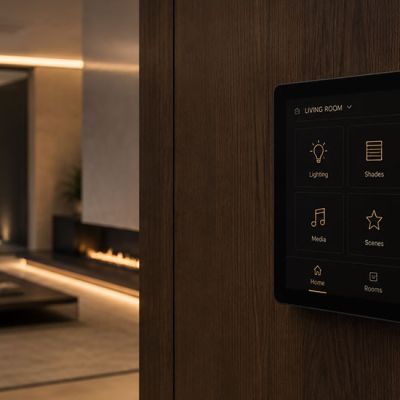
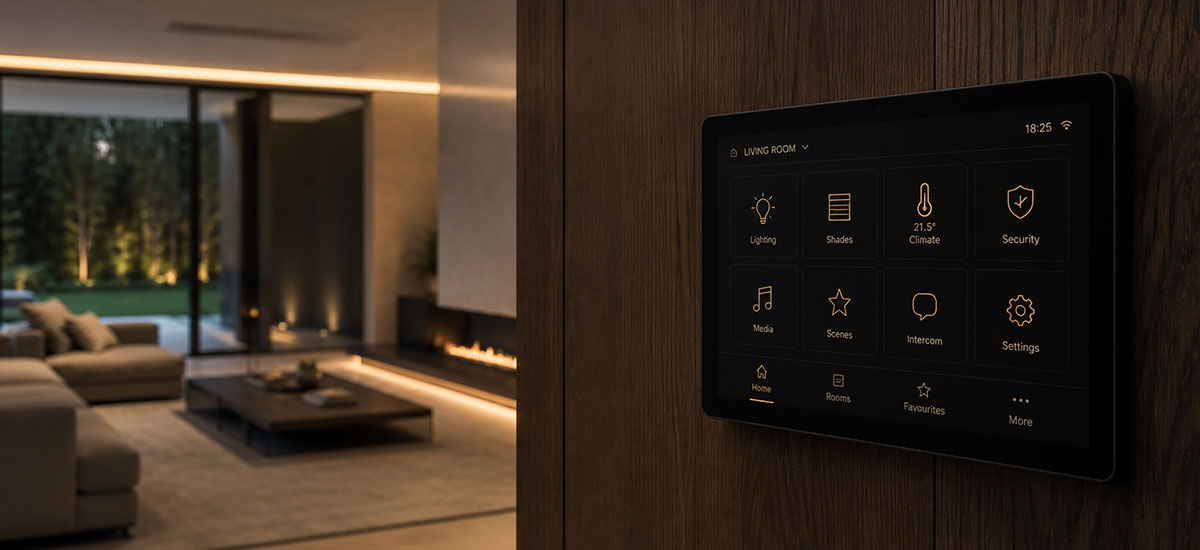
Hidden speakers, concealed televisions, minimal wall controls and carefully planned infrastructure allow interiors to remain clean and uncluttered. This design-led approach is particularly important in high-end residential properties, where aesthetics play a major role in valuation.
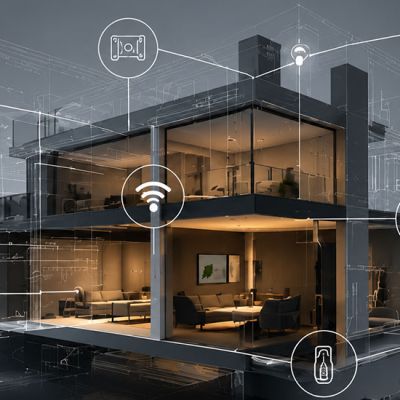
Smart home technology also adds value by future-proofing a property. As digital living continues to evolve, homes that already have the necessary infrastructure in place are better positioned to adapt to new technologies.
This reduces the need for disruptive retrofitting and makes the property more attractive to future buyers.
So, do smart homes increase value?
In most cases, yes. But not simply because technology has been added.
Value is created when smart home systems are thoughtfully designed, professionally installed and seamlessly integrated into the architecture and interior design of the property.
When done correctly, smart home technology doesn’t just add features, it enhances the entire living experience, which in turn can positively influence both desirability and market value.